

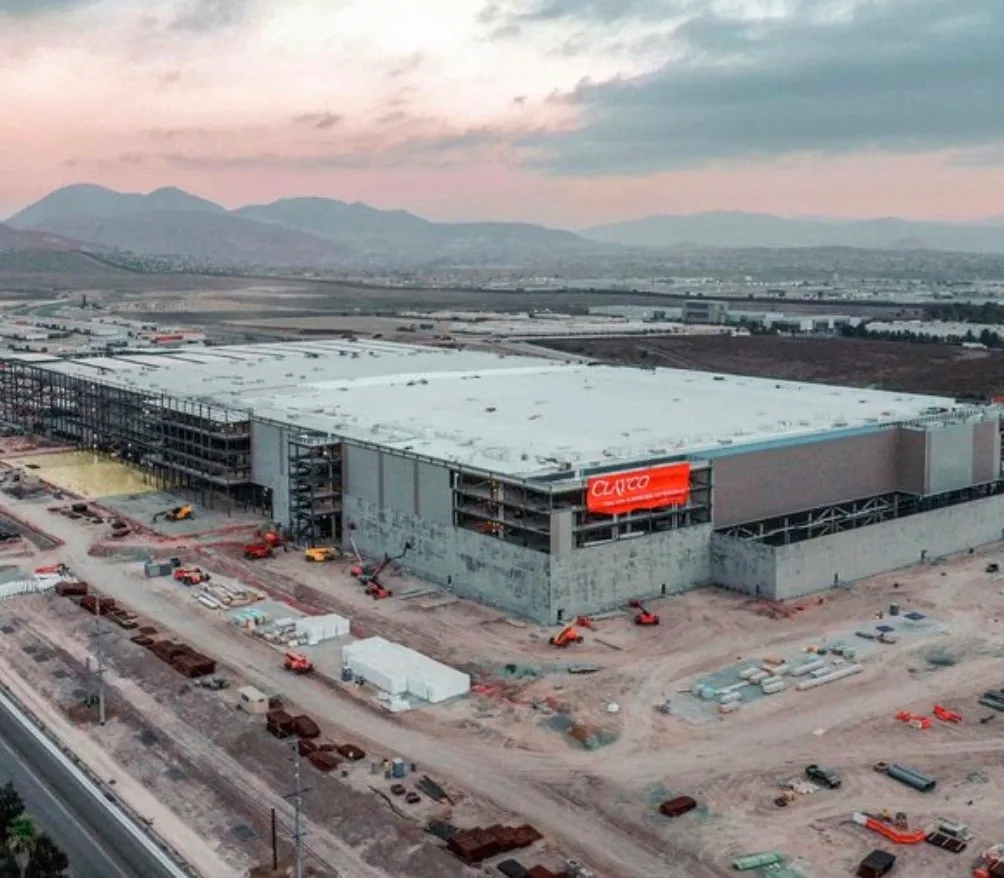
The fundamentals haven’t changed. The job has.
Estimating still comes down to understanding scope, pricing risk, comparing bids, and documenting decisions.
What has changed is the pressure. Projects are more complex, regulations are heavier, and owners expect more transparency, speed, and certainty.
The best general contractors aren’t just builders. They’re risk managers. And much of that risk is won or lost before construction starts.
That’s why the best preconstruction teams operate more like an assembly line: a repeatable, quality-controlled process where every project moves through the same core checks before award.
AI helps teams move through that process faster and with more consistency.
These are the 8 Laws of Modern Estimating — the framework for building a more predictable preconstruction process.
01
Define the Scope of Work
If the scope is wrong, everything downstream is wrong.
Every estimate starts with understanding exactly what is being built.
Drawings, specifications, narratives, addenda, owner requirements, and site conditions collectively define the work. The challenge is that the scope is rarely written neatly in one place.
Important requirements may be buried hundreds of pages apart.
A strong estimating process turns that fragmented information into a clear definition of responsibility before pricing begins.
How AI changes the work
Modern AI can review plans, specifications, RFPs, narratives, and supporting documents together to help teams identify requirements and organize them into structured scopes of work.
Instead of beginning with a blank scope sheet, estimators can begin with a first draft generated from the project documents—and then apply their judgment.
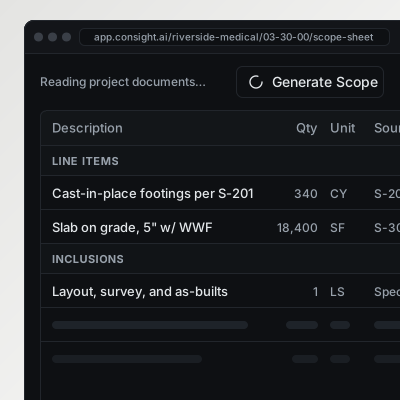
In Consight
AI Scope Generation
Generate detailed scope sheets directly from project plans and specifications.
Learn more →
Define the work before you price the work.
02
Quantify the Work
You cannot accurately price what you have not measured.
Quantities turn scope into something estimators can price.
Square feet. Linear feet. Cubic yards. Counts. Tons. Fixtures. Openings. Equipment.
For decades, producing those quantities has required estimators to manually trace, count, measure, and transfer information between drawings and estimating systems.
That work is increasingly becoming machine-assisted.
How AI changes the work
Computer vision and AI-assisted takeoff tools can identify drawing elements, perform measurements, count objects, and compare quantities between drawing revisions.
The estimator still determines what matters and validates the result. But software can increasingly handle the repetitive process of finding and measuring it.
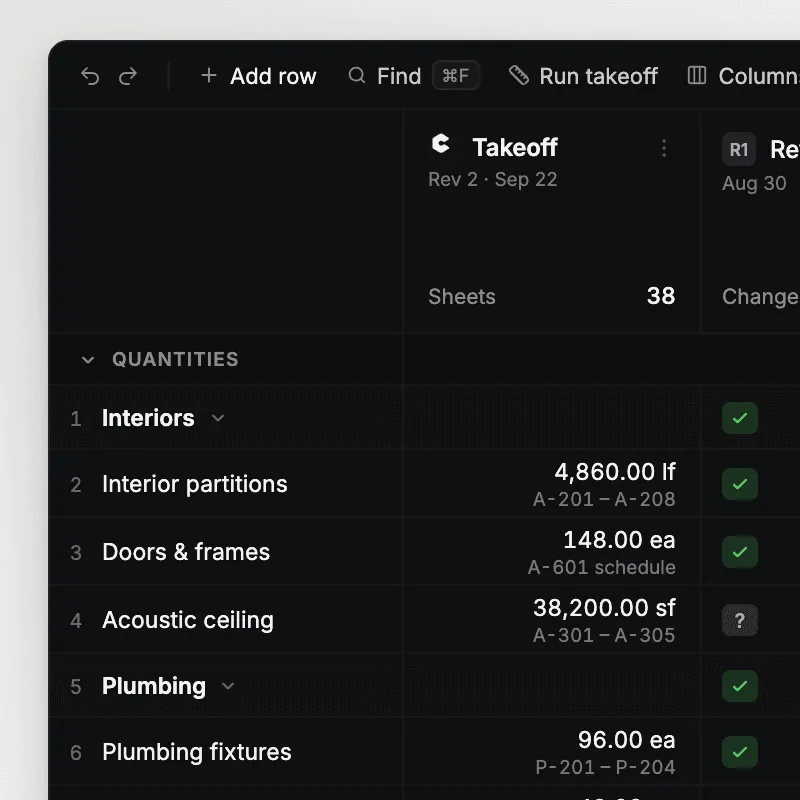
In Consight
AI Takeoff
Pull quantities straight from the drawings, tied to the sheets they came from, and see what changed between revisions.
Learn more →
Measure before you assume.
03
Develop an Opinion of Cost
A quantity is not an estimate.
Knowing that a project contains 50,000 square feet of concrete tells you very little until quantities are translated into labor, material, equipment, subcontractor pricing, conditions, escalation, and risk.
That translation is where estimating experience matters.
A good estimate is not simply a calculation. It is an informed opinion of what the work should cost.
How AI changes the work
AI can connect quantities with historical project data, internal cost libraries, assemblies, regional information, and previous estimates.
It can also help identify unusual unit costs, missing cost components, or values that differ significantly from historical projects.
The goal is not to let a model decide what a project costs. It is to give the estimator more information before they decide.
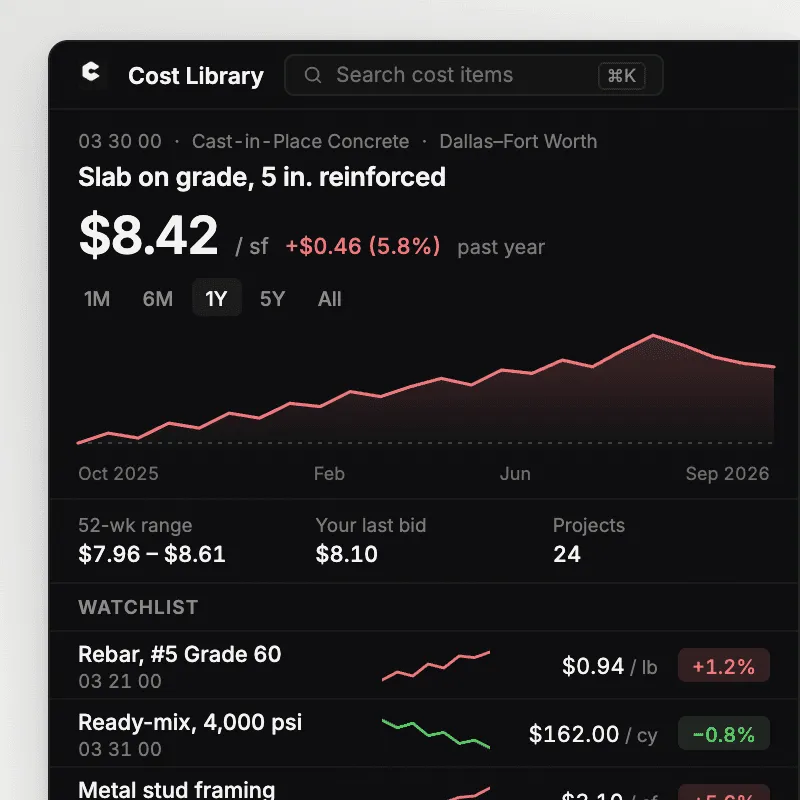
In Consight
Cost Library
Price line items against live unit costs, your last bids, and regional trends for the same scope.
Learn more →
Build an independent opinion of cost before the market gives you one.
04
Level the Bids
The lowest bid is not necessarily the lowest cost.
Subcontractors rarely bid projects the same way.
One includes temporary protection. Another excludes it. One carries premium time. Another assumes straight time. One includes equipment. Another expects the GC to provide it.
Looking only at the number at the bottom of the proposal can hide enormous differences in scope.
Bid leveling exists to expose those differences.
How AI changes the work
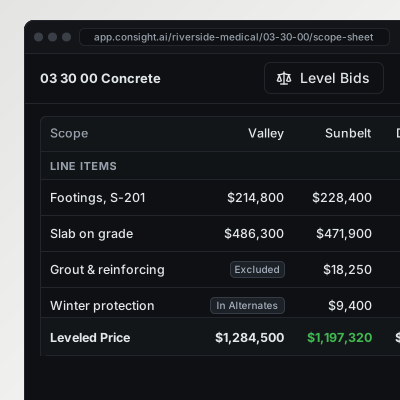
AI can read subcontractor proposals, extract pricing and scope information, populate comparison sheets, identify exclusions, and highlight differences between bidders.
Instead of spending hours transferring information from PDFs into spreadsheets, estimating teams can spend more of that time investigating the differences that actually matter.
This is one of the problems Consight was built specifically to solve.
In Consight
AI Bid Leveling
Extract and normalize subcontractor bids into one comparable scope.
Learn more →
Never compare price without comparing scope.
05
Identify Trade Interfaces and Overlaps
Risk lives between the scopes.
Many of the most expensive estimating mistakes are not obvious omissions inside a single trade. They happen between trades.
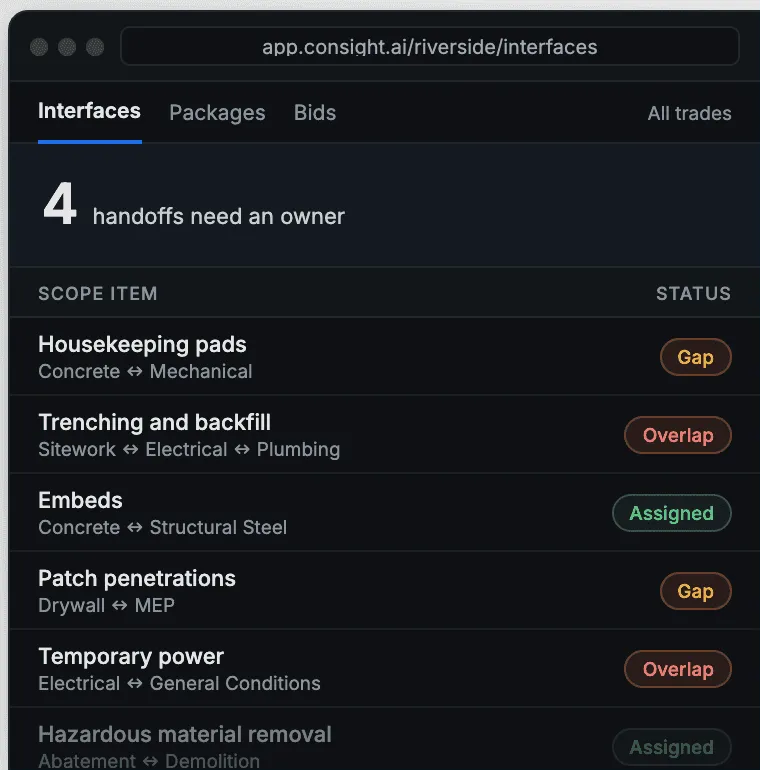
Who provides housekeeping pads? Who owns trenching and backfill? Who provides embeds? Who patches penetrations? Who carries temporary power? Who removes hazardous materials discovered before demolition?
Every handoff between trades creates an opportunity for scope to be missed, duplicated, or misunderstood.
How AI changes the work
AI can evaluate scopes across multiple trades simultaneously and help identify areas where responsibilities intersect.
That makes it possible to systematically review interfaces instead of relying entirely on an estimator remembering every possible handoff.
The estimator still resolves the responsibility. AI helps make sure the question gets asked.
In Consight
Close the Gaps
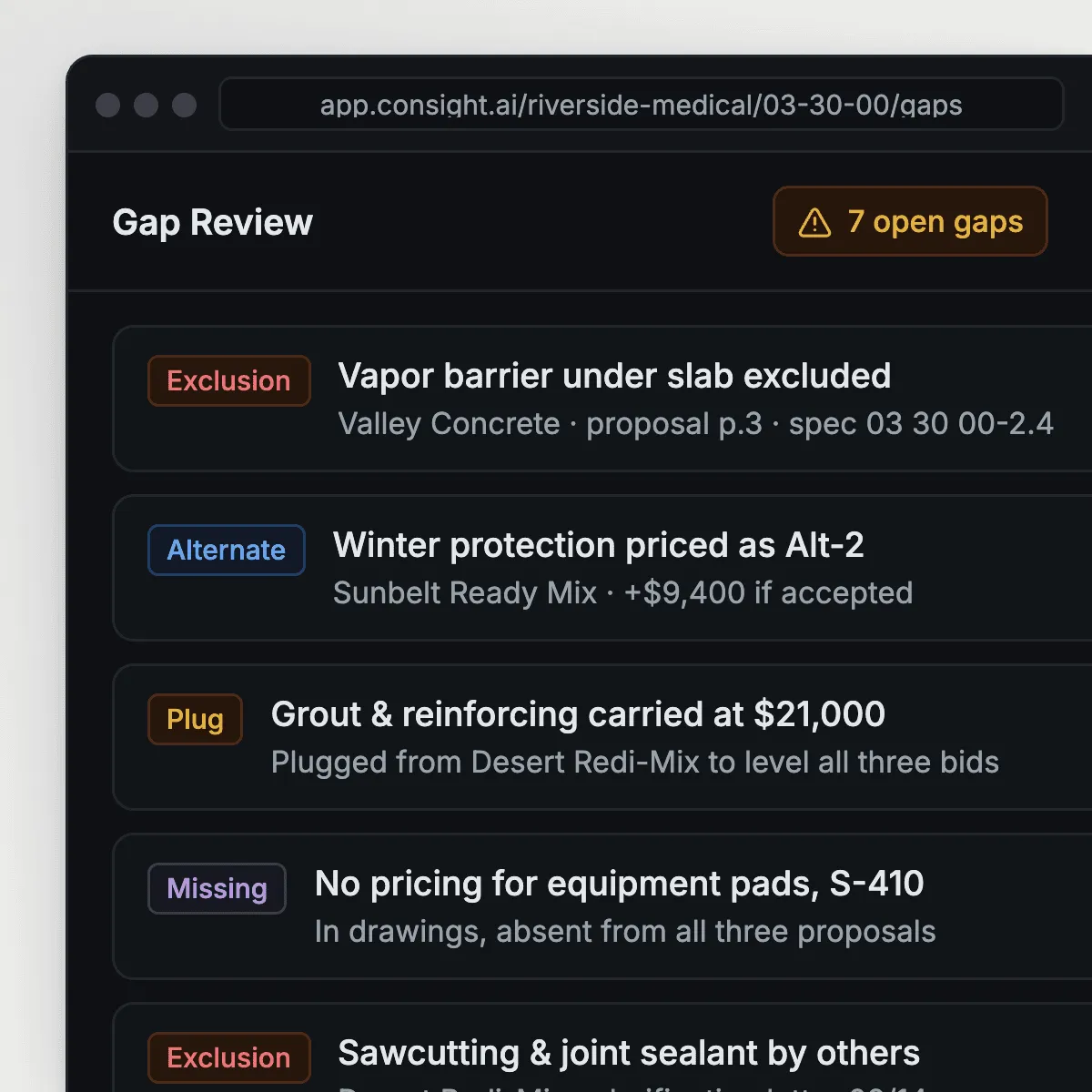
Identify exclusions, alternates, plugs, and missing scope before they become change orders.
Learn more →
The greatest scope risk often exists between the trades.
06
Confirm Trade Requirements
A bid is only complete if it satisfies the project requirements.
A subcontractor can carry the right quantity and still submit the wrong number.
Specifications may require certain manufacturers, testing procedures, warranties, mockups, certifications, logistics, phasing, temporary work, or closeout requirements.
Those details frequently determine whether two bids are actually comparable.
How AI changes the work
AI can search project specifications, addenda, drawings, and contracts for trade-specific requirements and compare those requirements against subcontractor proposals.
Instead of asking an estimator to remember every provision buried throughout the documents, software can help create a structured checklist of items that need verification.
In Consight
Trade Interfaces
See every handoff between trades and make sure each one has an owner before award.
Learn more →
Verify the requirements behind the number.
07
Evaluate Key Metrics
Every estimate should pass a reasonableness test.
A detailed estimate can still be wrong.
That is why experienced estimators step back and look at the project from another level.
Cost per square foot. Concrete per square foot. Steel tonnage. Labor productivity. Equipment counts. Historical subcontractor pricing. Trade percentages. Cost by building area.
These metrics provide a second way to test the estimate.
How AI changes the work
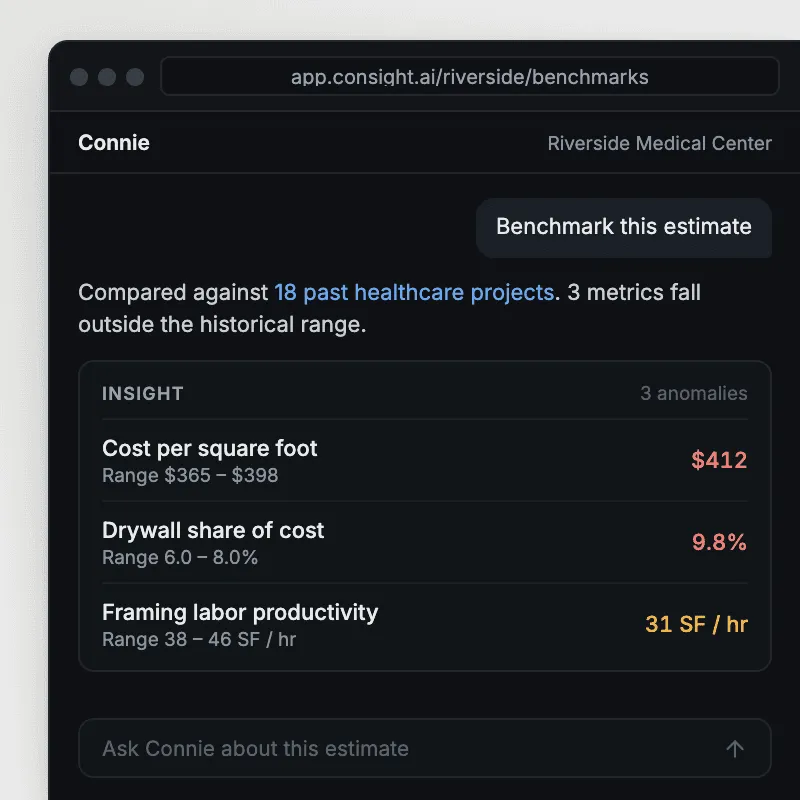
AI can continuously compare current estimates against historical projects, internal benchmarks, unit costs, and other available data.
Instead of manually hunting for unusual values, teams can surface anomalies as the estimate develops.
The result is an estimate that is tested from both directions: bottom-up detail and top-down reasonableness.
In Consight
Benchmarks with Connie
Compare your estimate against past projects and flag the metrics that fall outside the historical range.
Learn more →
Never trust a number you haven’t benchmarked.
08
Document Everything
An estimate is only as valuable as the record behind it.
Months after a project is awarded, someone will ask: Why did we carry this number? Which drawing revision did we price? Who agreed to this exclusion? What changed between estimate versions? Which subcontractor clarification led to this scope decision?
Without documentation, those answers disappear into inboxes, spreadsheets, meeting notes, and individual memory.
How AI changes the work
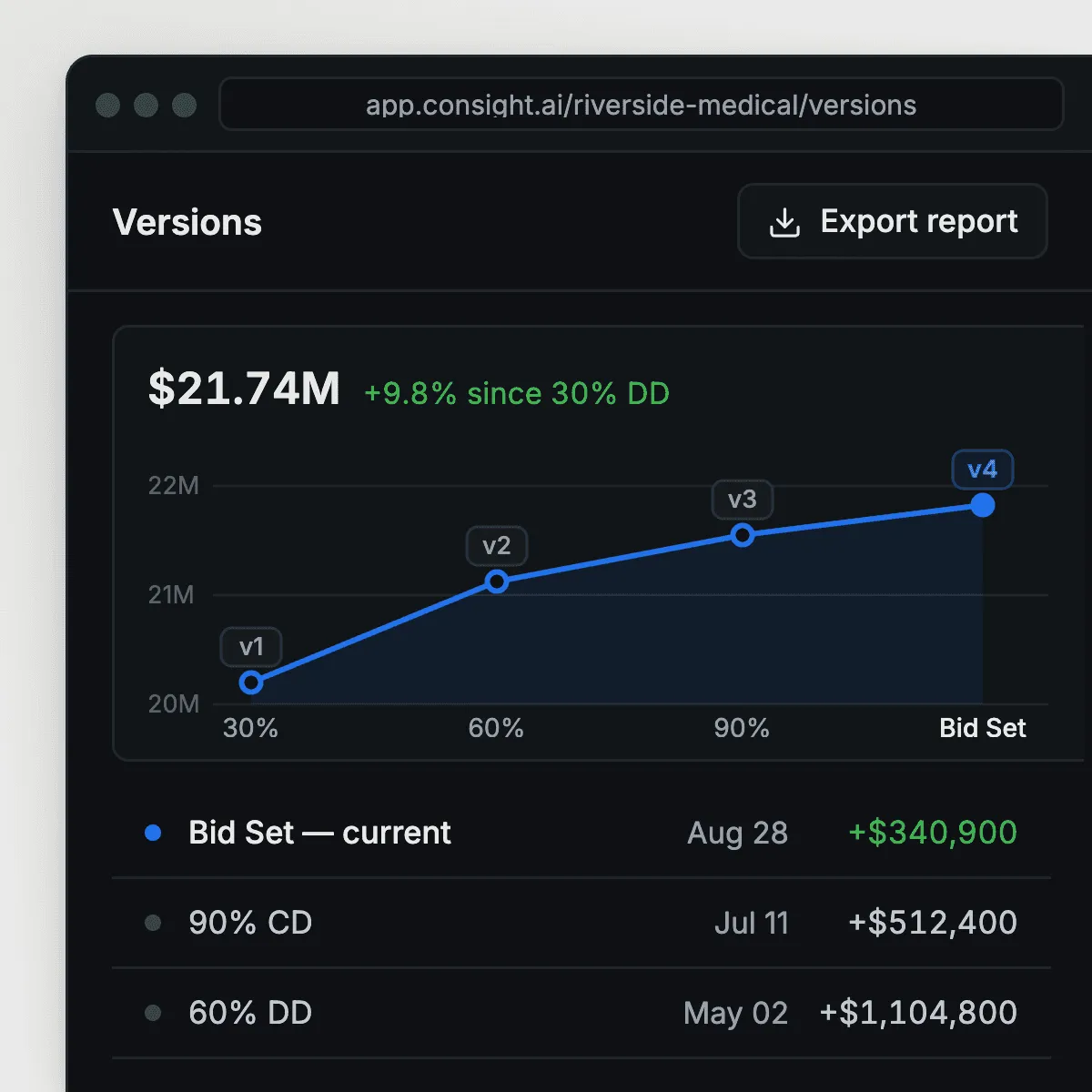
Modern systems can preserve estimate versions, organize documents, summarize revisions, maintain decision histories, and make project information searchable long after the original estimate was completed.
That record becomes valuable during procurement, construction, change management, and eventually the next estimate.
Every project should make the estimating organization smarter.
In Consight
Versions & Reporting
Track estimate changes over time and export clean reports whenever you need them.
Learn more →
If the decision matters, preserve the reason behind it.
The estimator is not disappearing. The estimator is getting leverage.
There is a temptation to describe AI in construction as replacing the estimator. That misses the point.
The most valuable parts of estimating have never been copying numbers between spreadsheets or searching through a 2,000-page specification for a paragraph.
They are judgment. Experience. Risk recognition. Knowing when a number does not look right. Knowing which subcontractor needs another phone call. Understanding where the documents leave room for interpretation. And ultimately deciding what the company is willing to put its name and money behind.
AI can handle more of the mechanical work surrounding those decisions. That gives estimators more time to actually make them.
The companies that benefit most from AI will not be the ones that abandon estimating fundamentals. They will be the ones that apply those fundamentals more consistently, across more projects, with less manual work.
That is what the 8 Laws are about.
The 8 Laws of Estimating
01 — Define the Scope of Work
Define the work before you price the work.
02 — Quantify the Work
Measure before you assume.
03 — Develop an Opinion of Cost
Build an independent opinion of cost before the market gives you one.
04 — Level the Bids
Never compare price without comparing scope.
05 — Identify Trade Interfaces and Overlaps
The greatest scope risk often exists between the trades.
06 — Confirm Trade Requirements
Verify the requirements behind the number.
07 — Evaluate Key Metrics
Never trust a number you haven’t benchmarked.
08 — Document Everything
If the decision matters, preserve the reason behind it.
Where Consight fits
Consight is building the preconstruction workspace around these principles—from understanding project documents and building scopes to collecting bids, leveling proposals, reviewing risk, and documenting the final award.
Put the 8 Laws into practice on every project.
Talk to sales